The Referral Process
Vet Referrals & Professional Collaboration
Because your animal’s health deserves safe, ethical, and expert care.
Veterinary physiotherapy is a regulated paraprofessional service, and as such, it is essential that we work in partnership with veterinary surgeons to ensure the highest standard of care. This not only ensures safety and transparency for your animal, but it’s also a legal requirement under UK legislation.
Why Do I Need a Vet Referral?
According to the Veterinary Surgeons Act 1966, only a qualified veterinary surgeon may diagnose medical conditions or prescribe treatments. For this reason, physiotherapists must receive consent from your vet before beginning any treatment — whether for injury rehabilitation, post-operative care, or ongoing management of chronic conditions.
This vet referral process helps to:
- Ensure the animal has received a correct diagnosis.
- Rule out any underlying issues that need veterinary attention.
- Promote a joined-up approach between physiotherapist, vet, and owner.
However, new guidance from RCVS in Chapter 19 of the supporting guidance sets out that healthy animals for maintenance care do not require a veterinary referral but still must be registered with a veterinary practice, see more at Chapter 19. Treatment of animals by unqualified persons - Professionals.
Working as a Team for Your Animal.
Veterinary physiotherapy works best when it's part of a multi-disciplinary approach. I regularly work alongside:
- Veterinary surgeons
- Hydrotherapists
- Farriers and saddle fitters
- Trainers, behaviourists, and chiropractors
This team-based approach ensures that your animal receives the most holistic and effective care possible. By sharing insights and working collaboratively, we can develop treatment and management plans that truly address the needs of each individual animal — whether that’s returning to competition, recovering from surgery, or managing long-term conditions.
My Professional Commitment
As a fully qualified veterinary physiotherapist, I am:
- Committed to ethical, evidence-based practice
- Trained in professional communication and referral protocols
- Knowledgeable in relevant legislation and professional boundaries
- Insured and compliant with current animal welfare and treatment standards
You can trust that every treatment I offer is safe, legal, and in the best interest of your animal.
If you’re unsure how to obtain a referral or need support speaking to your vet, I’m always happy to help with the process. Let’s work together to give your animal the very best care.
How to download a Veterinary Referral Form
To download/obtain a referral form to send to your veterinarian, just contact me asking for one and I can send you the template for it.
Common Q&A's
At MFVetPhysio, we specialize in veterinary physiotherapy tailored for your furry friends.
Our holistic approach ensures a comprehensive recovery and promotes overall well-being.
What is Veterinary Physiotherapy? 🐾
Veterinary physiotherapy is a specialised branch of animal healthcare focused on restoring and maintaining movement, strength, and function in animals — especially horses and dogs. Whether it’s helping a dog recover after surgery, easing a horse’s stiff back, or supporting a senior pet with arthritis, physio can make a huge difference in your animal’s quality of life.
At its core, vet physio is about comfort, function, and performance. Through a combination of expert assessment, hands-on therapies, and tailored exercise plans, we aim to reduce pain, promote healing, prevent future injuries, and enhance overall wellbeing.
What happens in a typical session?
Every session is tailored to the individual animal, but generally includes:
Initial Assessment: This covers a static and dynamic evaluation (watching how your animal stands and moves), palpation (feeling the muscles and joints), range of motion testing, and spinal and neural checks.
Treatment: Based on the assessment, I’ll use appropriate therapies to target problem areas and support recovery or performance.
Homework Plan: I will provide you the owner with a few exercises or tips to help keep your animal in top condition until I see them next.
Rehabilitation/exercise Plan: You can also receive a personalised exercise or management plan to continue their progress at home.
Common treatments and their benefits:
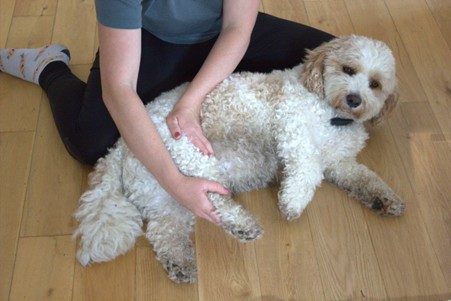
Massage therapy techniques are used to ease muscle tension, improve circulation, and support overall relaxation and well-being in your animal.
Stretching helps maintain or improve flexibility and joint mobility, which can help reduce the risk of injury and support a full, healthy range of movement.
Remedial exercises are specific movements that build muscle strength, improve posture, and support balance and coordination. They’re tailored to each animal’s individual needs and progress over time to help them regain or maintain physical function.
Electrotherapies are a range of different devices that use gentle electrical currents (like TENS or PEMF) to reduce pain and stimulate healing and support tissue recovery.
Who is veterinary physiotherapy for?
Animals recovering from injury or surgery (like cruciate repair, fractures, or wounds).
Pets with chronic conditions such as arthritis or hip/elbow dysplasia.
Working or performance animals (agility dogs, eventers, dressage horses) who need to stay in peak physical condition.
Older pets who need a little extra help to stay mobile and comfortable in their golden years.
Veterinary physiotherapy works best as part of a team approach, often alongside your veterinarian and other professionals. It's not just about recovery — it's about proactive care, helping your animal stay healthy, active, and pain-free for as long as possible.
Whether your animal is healing, training, or ageing gracefully, physiotherapy offers safe, effective support every step of the way.